How Water Intrusion Damages Foundations and Basements
To prevent water intrusion from damaging foundations and basements, local contractors can assess leaks and provide effective waterproofing solutions.
Understanding how water intrusion damages foundations and basements is essential for property owners in the area. Water seepage can weaken structural integrity, cause cracks, and lead to costly repairs if left unaddressed. Many local property owners explore this topic to better recognize early signs of damage and to protect their investments. By learning about the causes and effects of water intrusion, homeowners can make informed decisions about preventative measures, including the importance of proper waterproofing services offered by local contractors.
For those concerned about maintaining a safe and stable property, connecting with experienced service providers can make a significant difference. Local contractors specializing in basement and foundation waterproofing have the knowledge and tools to help mitigate water intrusion risks. Whether through drainage solutions, sealing cracks, or installing barriers, these professionals can support property owners in safeguarding their homes against water-related damage, ensuring long-term durability and peace of mind.
- homeowners noticing signs of water seepage or dampness in their basements should seek foundation waterproofing services, which local contractors approach with tailored sealing and drainage solutions. - when cracks or structural issues develop in basement walls due to water intrusion, local service providers can evaluate and implement waterproofing methods to prevent further damage. - flooding or persistent moisture in the basement area prompts the need for waterproofing, with local pros typically installing barriers and sump systems to keep water out. - signs of mold or musty odors in the basement often indicate water intrusion, leading local experts to recommend waterproofing to protect the foundation’s integrity. - preparing a home for heavy rainfall or snowmelt involves consulting local contractors to install waterproofing systems that mitigate water damage to foundations and basements.
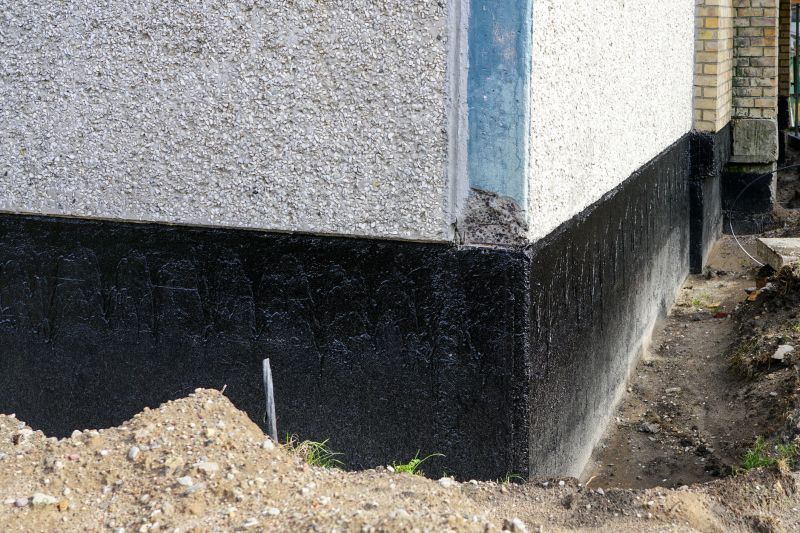
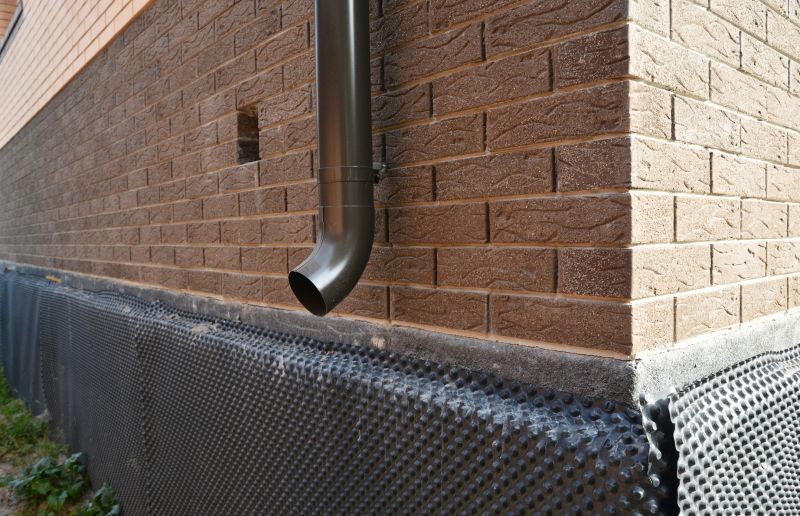
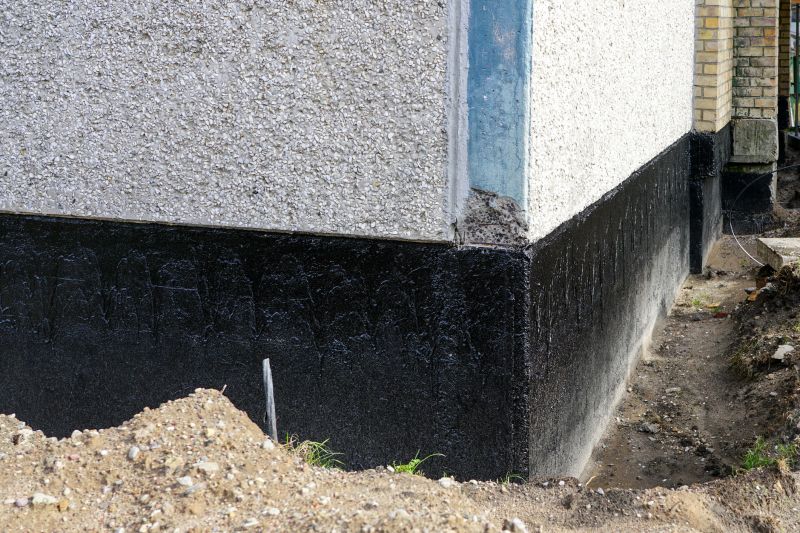
When people search for information about how water intrusion damages foundations and basements, they are often concerned with understanding the causes and consequences of water-related issues within their properties. Many homeowners notice signs such as damp walls, musty odors, or water stains, prompting questions about how water seeps in and what long-term damage it can cause. This topic is closely linked to plans for waterproofing, repairs, or preventative measures aimed at protecting the structural integrity of a property. Recognizing the connection between water intrusion and potential damage helps homeowners make informed decisions about when to seek professional assistance to address these concerns effectively.
The problems associated with water intrusion into foundations and basements are varied but often include structural weakening, mold growth, and damage to personal belongings. Water can penetrate through cracks, gaps, or porous materials, especially during heavy rains or rapid snowmelt. Over time, persistent moisture can cause concrete to crack or deteriorate, compromising the stability of the foundation. Basements that are not properly sealed may develop issues like efflorescence, which is a white, powdery deposit on walls, or more serious problems such as buckling walls or sinking floors. These issues can lead to costly repairs if not addressed early, making it essential for homeowners to understand how water intrusion impacts their property.
The types of properties most commonly affected by water intrusion damage include residential homes with basements, crawl spaces, or slab foundations, as well as commercial buildings with underground levels. Older homes are often more vulnerable due to aging materials and less effective initial waterproofing systems. Properties situated in areas with high rainfall, poor drainage, or high water tables are also at increased risk. Additionally, homes built on slopes or with improper grading may experience water pooling around their foundation, exacerbating infiltration issues. Recognizing the specific vulnerabilities of a property helps homeowners identify the need for professional waterproofing solutions to prevent ongoing damage.
Local basement and foundation waterproofing service providers play a crucial role in diagnosing and resolving water intrusion problems. They can assess the property’s unique conditions, identify entry points, and recommend appropriate solutions such as exterior waterproofing, interior sealants, or drainage improvements. These experts are familiar with common causes of water damage and have the experience to implement long-lasting repairs that protect the foundation and basement from future issues. Connecting with local contractors ensures that homeowners receive tailored advice and quality workmanship to safeguard their property’s structural integrity against water intrusion damage.
Basement Drainage System Installations - professionals who install drainage systems help prevent water buildup that can lead to foundation and basement damage caused by water intrusion.
Foundation Crack Repair - local contractors skilled in crack repair address water entry points that contribute to structural deterioration and moisture issues.
Sump Pump Installation - experts who install sump pumps provide solutions to remove excess water, reducing the risk of water damage to foundations and basements.
Exterior Waterproofing - service providers specializing in exterior waterproofing apply barriers to keep water from penetrating the foundation walls and basement floors.
Interior Sealant Application - local pros who apply interior sealants help block water vapor and moisture from seeping into basements, preventing damage and mold growth.
Drain Tile System Services - contractors who install drain tile systems improve water drainage around foundations, protecting structures from water intrusion and related damage.
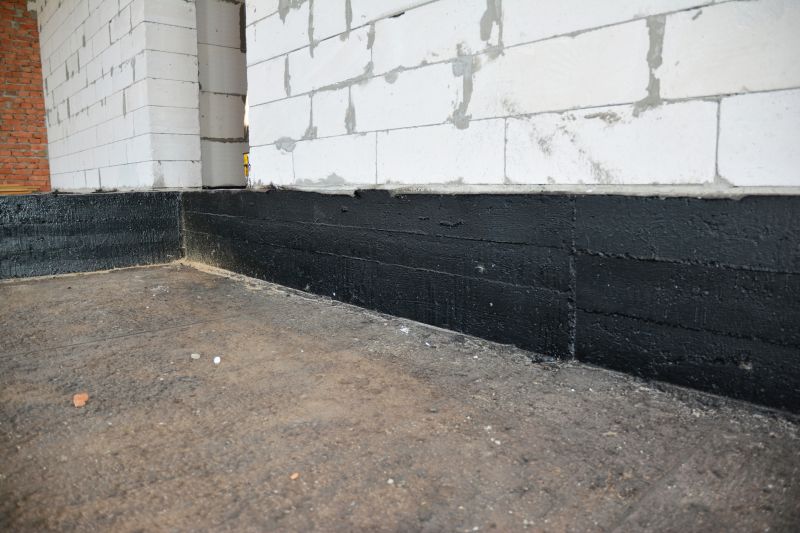
When comparing service providers for basement and foundation waterproofing, it is important to consider their experience with similar projects. An experienced contractor will have a clearer understanding of how water intrusion damages foundations and basements, and will be better equipped to identify potential issues specific to the local area. Homeowners should inquire about the types of waterproofing solutions the contractor has implemented in the past and whether they have successfully handled projects with similar conditions. This background can provide insight into their familiarity with common challenges and effective strategies for preventing water damage.
Clear, written expectations are crucial when evaluating local contractors for waterproofing services. A reputable service provider should be able to outline the scope of work, materials to be used, and the specific steps involved in the project. Having these details documented helps ensure that both parties are aligned on what will be done to address water intrusion issues and how potential damages will be mitigated. This transparency can also serve as a reference throughout the project, reducing misunderstandings and ensuring that the waterproofing measures are thorough and appropriate for the specific foundation or basement conditions.
Reputable references and strong communication are key factors when selecting a basement and foundation waterproofing contractor. Homeowners should seek out reviews or testimonials from previous clients who had similar water intrusion concerns. Additionally, a service provider that demonstrates clear and consistent communication-such as promptly answering questions and providing detailed explanations-can help foster confidence in their ability to deliver quality results. Good communication ensures that homeowners stay informed about the progress and understand how the waterproofing work will protect their property from future water damage, ultimately supporting a successful project outcome.
Property owners often search for how water intrusion damages foundations and basements when they are planning practical projects around their homes and businesses. Local pros provide Basement and Foundation Waterproofing services for everyday jobs and straightforward project options.
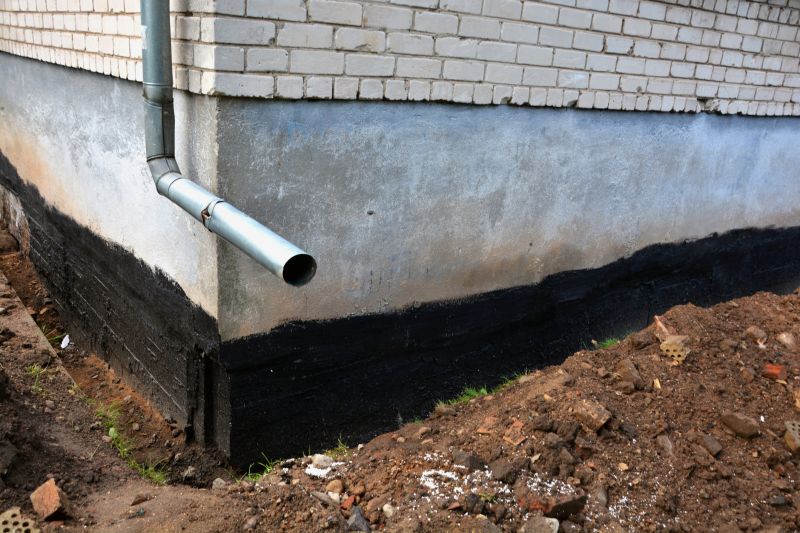
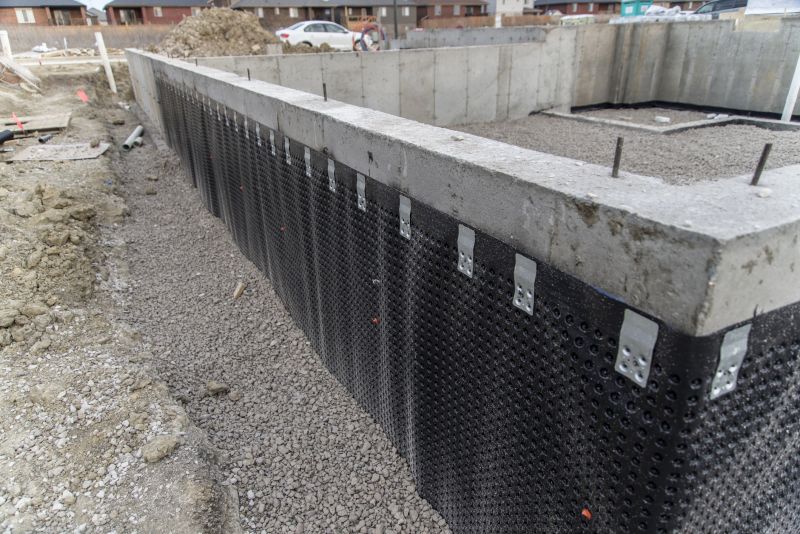
Water intrusion can cause significant damage to foundations and basements, especially during heavy rains or rapid snowmelt common in the area. When water seeps through cracks or porous materials, it can weaken the structural integrity of the foundation over time, leading to issues like shifting, cracking, or even settling. This not only jeopardizes the stability of the property but can also result in persistent dampness and mold growth inside the basement, making the space less safe and less comfortable for everyday use.
Many property owners look into basement and foundation waterproofing services after noticing signs such as water stains, musty odors, or small cracks appearing in basement walls. Local contractors who specialize in waterproofing can assess the specific causes of water intrusion and recommend appropriate solutions to keep basements dry and foundations secure. Proper waterproofing helps prevent future damage and preserves the long-term stability of the property, making it a practical consideration for homeowners concerned about water-related issues.
How does water intrusion damage foundations and basements? Water intrusion can weaken foundation walls, cause cracks, and lead to basement flooding, which may compromise structural stability and lead to costly repairs.
What are common signs of water damage in basements and foundations? Signs include damp or moldy walls, efflorescence (white deposits), cracks in the foundation, musty odors, and standing water after rain.
How can waterproofing services help prevent water damage? Waterproofing services create barriers to water entry, improve drainage, and seal cracks, helping to protect foundations and basements from water intrusion.
Why is addressing water intrusion early important? Early intervention can prevent extensive damage, reduce repair costs, and maintain the structural integrity of the foundation and basement.
What types of waterproofing methods do local contractors typically use? Common methods include interior sealants, exterior drainage systems, sump pumps, and foundation membrane installation to keep water out effectively.
Identify water entry points - property owners can inspect their foundations and basements regularly to spot cracks or leaks that may lead to water intrusion, enabling timely repairs with local contractors.
Improve drainage around the property - installing proper gutters, downspouts, and grading can direct water away from the foundation, reducing the risk of water damage and the need for extensive waterproofing.
Apply waterproofing barriers - consulting with local service providers about sealing walls and floors can help prevent water from seeping into basements and causing damage over time.
Maintain proper ventilation and humidity levels - controlling indoor moisture can minimize condensation and water buildup that contribute to foundation and basement deterioration, with guidance from local waterproofing specialists.
If you are thinking about how water intrusion damages foundations and basements for a property, this guide is meant to help you understand this topic, the typical project types, and how different options might fit your plans.
When you are ready, you can use the quote form on this page to share a few details about your project. From there, local pros can review the basics and follow up with options that match what you have in mind.